


• Colors: Cyan Color

By Keith Ferrazzi

Here are ten lessons from the book, "Never Eat Alone, Expanded and Updated: And Other Secrets to Success, One Relationship at a Time" by Keith Ferrazzi

  1. Relationships are the key to success: Ferrazzi argues that strong relationships are essential for success in all aspects of life, not just business. Building genuine connections with others can open doors to opportunities, provide support and mentorship, and lead to personal and professional growth.

  2. Develop your networking skills: The book offers practical tips for building and nurturing relationships, including attending events, joining clubs, and actively engaging with others. It emphasizes the importance of being genuine, authentic, and building relationships based on mutual respect and interests.

  3. Give more than you receive: The book encourages a "givers gain" mentality, where you focus on helping others and providing value without expecting anything in return. This selfless approach builds trust, strengthens relationships, and ultimately leads to greater personal and professional success.

  4. Become a "king of content": In today's digital age, Ferrazzi emphasizes the importance of using social media and online platforms to build your brand and connect with others. Share valuable content, engage in meaningful conversations, and create a positive online presence that attracts opportunities and strengthens your network.

  5. Never eat alone: The book's title emphasizes the importance of eating meals with colleagues, clients, and potential connections. This provides an informal setting to build rapport, have meaningful conversations, and strengthen relationships.

  6. Stay in touch: Building strong relationships requires consistent effort. The book recommends staying in touch with your network through regular communication, sending personalized messages, and offering support when needed.

  7. Be a good listener: One of the most important aspects of building strong relationships is being a good listener. Actively listen to others, show genuine interest in their lives and experiences, and create a space for open and honest communication.

  8. Build strong relationships with your family and friends: While focusing on professional relationships is important, Ferrazzi stresses the importance of nurturing relationships with family and friends. These relationships provide emotional support, offer a sense of belonging, and contribute to overall well-being.

  9. Network with diverse individuals: Building relationships with people from different backgrounds and industries broadens your perspective, exposes you to new ideas, and opens doors to unexpected opportunities.

  10. Invest in your relationships: Building and maintaining strong relationships requires time, effort, and commitment. Ferrazzi encourages investing in your relationships by providing support, offering help, and celebrating others' successes. NNL.


By Mark McCormack

The book, "What They Don't Teach You at Harvard Business School" which was published in 1984, offers practical advice on business and success, often focusing on insights and skills that go beyond formal education. Here is a detailed summary of the key concepts from "What They Don't Teach You at Harvard Business School" by Mark McCormack:

  1. The Importance of People Skills: McCormack emphasizes the significance of people skills in business success. Building and maintaining relationships, effective communication, and understanding human behavior are essential aspects of achieving professional goals.

  2. Street Smarts vs. Book Smarts: The book discusses the distinction between academic knowledge and practical, street-smart wisdom. McCormack argues that real-world success often requires a combination of both, with an emphasis on the ability to navigate and understand the dynamics of everyday business situations.

  3. Negotiation Skills: McCormack provides insights into negotiation strategies and tactics. Understanding how to negotiate effectively, whether in deals, contracts, or interpersonal interactions, is a valuable skill in the business world.

  4. Time Management: Time management is a crucial aspect of success, according to McCormack. The book offers practical advice on prioritizing tasks, making efficient use of time, and focusing on high-impact activities.

  5. The Power of Perception: McCormack explores the role of perception in business. How others perceive you and your brand can significantly impact your opportunities and success. Managing and shaping perceptions is a key element of strategic career development.

  6. Goal Setting and Planning: Setting clear goals and creating a strategic plan are discussed as essential components of achieving success. McCormack provides guidance on defining objectives, creating actionable plans, and staying focused on long-term aspirations.

  7. Leadership and Decision-Making: Effective leadership and decision-making are critical in business. McCormack shares insights into making sound decisions, leading teams, and navigating challenges as a leader in the corporate world.

  8. Salesmanship and Persuasion: The art of salesmanship and persuasion is explored in the book. McCormack discusses the importance of effective communication in selling ideas, products, or services, and how persuasion skills can contribute to career advancement.

  9. Networking and Relationship Building: Building a strong network and cultivating relationships are highlighted as integral to success. McCormack provides practical advice on networking strategies, relationship-building techniques, and leveraging connections for professional growth.

  10. Adaptability and Flexibility:

  • The business landscape is dynamic, and McCormack emphasizes the importance of adaptability. Being flexible, open to change, and willing to embrace new opportunities are qualities that contribute to long-term success.
  1. Ethics and Integrity:
  • McCormack stresses the significance of conducting business with ethics and integrity. Maintaining a reputation for honesty and ethical conduct is crucial for long-term success and credibility in the business world.
  1. Personal Branding:
  • The book touches on the concept of personal branding and how individuals can shape and manage their professional image. Building a strong personal brand contributes to career advancement and opportunities.
  1. Learning from Experience:
  • McCormack encourages learning from practical experiences. Real-world situations often provide valuable lessons that go beyond what can be taught in a classroom setting.
  1. Balancing Work and Life:
  • Achieving a balance between work and personal life is discussed as a critical aspect of overall well-being and sustained success.

"What They Don't Teach You at Harvard Business School" is a pragmatic guide that draws on McCormack's own experiences as the founder of the sports marketing company IMG. The book provides actionable insights and lessons that professionals at any stage of their career can apply to achieve success in the business world. NNL.

By Ryan Holiday

In this book, 'The Obstacle Is the Way,' the message is clear: challenges are not roadblocks, but opportunities for growth and triumph.

Here are 10 key lessons from the book:

  1. Reframe Your Perspective The book challenges the typical view of obstacles as something to avoid or remove. Instead, it encourages us to embrace them as opportunities to learn, adapt, and improve. See obstacles as training grounds, not roadblocks.

  2. Focus on What You Can Control Dwelling on things outside your control is futile and draining. Learn to identify what you can influence, be it your attitude, actions, or the way you interpret circumstances. Focus your energy on these aspects for a more empowered approach.

  3. Turn Obstacles into Advantages Every challenge presents a hidden opportunity. Look for how you can harness the obstacle to your advantage. Can it build your resilience? Teach you a new skill? Open up unexpected paths? Be creative and turn lemons into lemonade.

  4. Practice Premeditation Mentally anticipate potential challenges and strategize how you'll respond. By visualizing setbacks and rehearsing your reactions, you'll be better equipped to handle them when they arise.

  5. Learn from History History is filled with stories of great figures who overcame adversity. Study their struggles and triumphs for inspiration and guidance. Their lessons can be your roadmap through your own obstacles.

  6. Embrace Amor Fati Love your fate. This Stoic principle encourages accepting all events, good or bad, as part of your journey. By embracing what you can't control, you cultivate serenity and resilience.

  7. Action is the Antidote to Despair Don't get paralyzed by setbacks. Take action, even if it's small. Momentum is key – keep moving forward, one step at a time.

  8. Remember, Progress is Not Linear The path to success is rarely a straight line. Expect setbacks, detours, and moments of doubt. Embrace the zig-zags and celebrate the progress you make, not just the final destination.

  9. Don't Seek the Easy Path Challenges are what make us stronger and wiser. Embrace the discomfort of growth and choose the path that requires effort, knowing it will lead to greater rewards.

  10. Find Your Purpose Having a strong "why" fuels your determination and helps you navigate through obstacles. When you know what you're fighting for, you'll find the strength to overcome any challenge.

In essence, "The Obstacle Is the Way" empowers you to transform your perception of challenges and turn them into stepping stones on your journey to success. Remember, the real battle is not against the obstacles, but against your own limiting beliefs and the urge to succumb to defeat. Embrace the obstacles, learn from them, and emerge stronger and wiser. Your greatest triumphs will likely come from your toughest battles. NNL.

By Eduardo Clemente

  1. Shift Your Mindset: Your perspective shapes your reality. Recognize and challenge negative self-talk, replacing it with empowering beliefs and optimism.

  2. Embrace Gratitude: Focus on what you have, not what you lack. Cultivate an attitude of gratitude, even for small things, to attract more positivity into your life.

  3. Take Ownership: Stop blaming external factors for your circumstances. Take responsibility for your actions and choices, empowering yourself to create the life you desire.

  4. Choose Forgiveness: Holding onto resentment hurts only you. Forgive yourself and others, releasing negativity and creating space for healing and growth.

  5. Practice Resilience: Setbacks are inevitable, but your response defines you. Develop resilience by learning from challenges, bouncing back from failures, and embracing continuous growth.

  6. Fuel Your Passion: Discover what ignites your fire and pursue it wholeheartedly. Passion fuels motivation, creativity, and fulfillment in all aspects of life.

  7. Serve Others: Focus on contributing to the greater good. Acts of service, big or small, bring joy to others and enhance your own sense of purpose.

  8. Embrace Change: View change as an opportunity, not a threat. Be adaptable, open to new experiences, and embrace continuous learning and self-improvement.

  9. Celebrate Small Wins: Acknowledge your progress, no matter how small. Celebrating milestones keeps you motivated and reinforces positive behaviors.

  10. Practice Self-Care: Prioritize your mental and physical well-being. Engage in activities that nourish your soul, manage stress effectively, and maintain a healthy lifestyle.

Remember, "Attitude is Your Superpower" is a journey, not a destination. By applying these lessons consistently and cultivating a positive outlook, you can unlock your inner strength, attract positive experiences, and create a life filled with purpose and fulfill. NNL.

  • * Launches Charitable Foundation At Africana Experience Live Runway Show

In a landmark event, Africana, the renowned African luxury fashion house, showcased its latest SS24 collection, 'THE ART OF LIFE,' at the 'Africana Experience Live.' Held at Harrow Park, Abuja, the brand's inaugural runway show epitomised its exceptional growth and commitment to artisanal craftsmanship, blending traditional African elements with contemporary design.

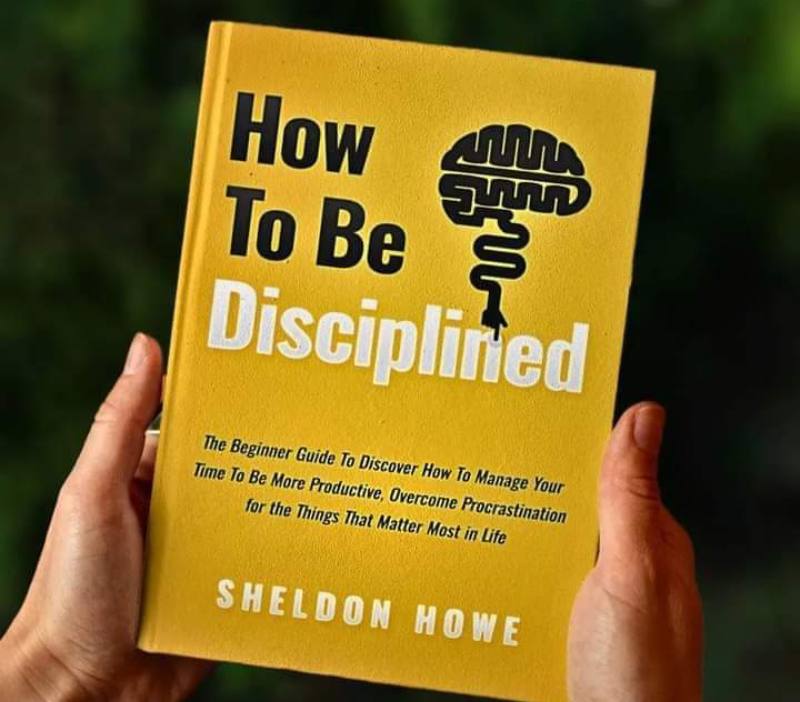
Discipline is the bridge between goals and accomplishment.

  1. Set Clear Goals: One of the first steps in becoming disciplined is setting clear and achievable goals. Without a clear direction, it becomes challenging to stay focused and motivated. Start by identifying your long-term objectives and break them down into smaller, manageable tasks or milestones. This will help you stay organized and maintain a sense of purpose.

By Chidinmma Ojukwu (Lifestyle & Fashion Reporter)

Having spent a decade in the luxury menswear industry, being a beacon of prosperity, and fostering the spirit of a Pan-African community, Africana has solidified its position in the Nigerian fashion industry and is set to take the global stage. Africana is about to unveil a comprehensive collection named "THE ART OF LIFE" which will debut at the brand's inaugural fashion show, "AFRICANA EXPERIENCE LIVE". The show promises to connect guests with their African heritage while immersing them in a contemporary fashion experience.

By Emily Alison and Lawrence Alison

In Rapport: The Four Ways to Read People and Talk to Anyone in Any Situation, the authors present four key principles for building rapport with others:

  1. Empathy: Understanding and sharing the feelings of another person.

  2. Alignment: Finding common ground and shared interests.

  3. Mirroring: Subtly imitating the other person's body language, tone of voice, and facial expressions.

  4. Validation: Acknowledging and accepting the other person's thoughts and feelings.

The book provides practical advice on how to apply these principles in a variety of situations, such as job interviews, first dates, and difficult conversations.

Fifteen lessons from Rapport:

  1. Rapport is essential for building strong relationships.

  2. Anyone can learn to build rapport.

  3. The key to building rapport is to be genuinely interested in the other person.

  4. Pay attention to the other person's body language.

  5. Be mindful of your own body language.

  6. Find common ground with the other person.

  7. Ask open-ended questions.

  8. Be a good listener.

  9. Be respectful of the other person's opinions.

  10. Be willing to compromise.

  11. Be patient.

  12. Be yourself.

  13. Practice makes perfect.

  14. Building rapport takes time and effort.

  15. The rewards of building rapport are well worth the effort. NNL.

By David Brooks

  1. Character is more important than success. Success is fleeting, but character is enduring. A person with good character will be successful in the long run, even if they don't achieve all of their immediate goals.

  2. Character is developed through struggle. It is easy to be virtuous when everything is going well, but the true test of character comes when faced with adversity. We can develop our character by overcoming challenges and setbacks.

  3. Character is formed by our relationships. We are shaped by the people we spend time with. If we want to develop good character, we need to surround ourselves with people who are virtuous.

  4. Humility is the foundation of character. A humble person is aware of their own weaknesses and limitations. They are also open to learning from others.

  5. Courage is essential for character. Courage is the willingness to do what is right, even when it is difficult. It is also the willingness to stand up for what you believe in, even when you are in the minority.

  6. Self-control is necessary for character. Self-control is the ability to manage our emotions and desires. It is also the ability to resist temptation and make wise choices.

  7. Justice is a key component of character. Justice is the desire to treat others fairly and equitably. It is also the willingness to stand up for what is right, even when it is inconvenient.

  8. Generosity is another important aspect of character. Generosity is the willingness to give of our time, money, and talents to help others. It is also the willingness to forgive those who have wronged us.

  9. Gratitude is a virtue that enhances character. Gratitude is the appreciation for the good things in our lives. It is also the willingness to be thankful for the people who have helped us along the way.

  10. Humility is the mother of all virtues. Humility is the recognition that we are all flawed human beings. It is also the willingness to learn from our mistakes and to grow as individuals.

Brooks argues that character is essential for living a good and meaningful life. He also argues that character can be developed through struggle, relationships, and the cultivation of virtues such as humility, courage, self-control, justice, generosity, gratitude, and forgiveness.

Here are some additional tips for developing good character:

• Be mindful of your thoughts and actions. Pay attention to your thoughts, feelings, and behaviors. Notice when you are acting in accordance with your values and when you are not.

• Set goals for yourself. What kind of person do you want to be? What values do you want to live by? Set goals for yourself and make a plan for how to achieve them.

• Find role models. Look for people who embody the qualities that you admire. Learn from them and model your own behavior after theirs.

• Be patient. It takes time and effort to develop good character. Don't get discouraged if you don't see results immediately. Just keep working at it and you will eventually reach your goals.

Developing good character is a lifelong journey. But it is a journey that is well worth taking. By following the lessons above, you can become a better person and live a more fulfilling life..NNL.

By Bent Flyvbjerg and Dan Gardner

  1. Big is best built from small. It's important to start with a clear and realistic vision for your project, and then break it down into smaller, more manageable tasks.

  2. Be a team maker. No one can successfully complete a big project alone. Surround yourself with a team of talented and dedicated people who share your vision.

  3. Master the unknown unknowns. Even the most well-planned projects will encounter unexpected challenges. Be prepared to adapt and adjust as needed.

  4. Know that your biggest risk is you. The biggest threat to the success of your project is not the unexpected, but your own biases and blind spots. Be humble and open to feedback.

  5. Be transparent and honest. Communicate openly with stakeholders about the progress of your project, even when things aren't going according to plan.

  6. Don't be afraid to fail. Failure is a natural part of any learning process. If something doesn't work out, don't be afraid to try something different.

  7. Celebrate success. It's important to recognize and celebrate the successes of your team, both big and small.

  8. Don't try to do everything yourself. It's important to delegate tasks to your team members and trust them to get the job done.

  9. Set realistic expectations. It's important to be realistic about the cost, time, and resources required to complete your project.

  10. Be flexible and adaptable. Things don't always go according to plan. Be prepared to adapt and adjust your approach as needed.

  11. Communicate effectively. Communication is key to the success of any project. Be clear, concise, and consistent in your communication with stakeholders.

  12. Manage risks effectively. Identify and assess the risks associated with your project, and develop strategies to mitigate them.

  13. Empower your team. Give your team members the authority and resources they need to be successful.

  14. Be data-driven. Use data to inform your decision-making throughout the project lifecycle.

  15. Learn from your mistakes. Every project is an opportunity to learn and grow. Take the time to reflect on your successes and failures, and identify areas for improvement.

Following these lessons can help you to successfully complete big projects on time and on budget. NNL.

SEAROUTE POWER Advert: NO POWER No Problem WE ARE The solution to all YOUR power issues Click/TAP TO CONTACT NOW!!!
No NEPA, No Problem SEAROUTE POWER GOT YOU COVERED - click to contact on WhatsApp