

(A Nigerian NewsLeader Editorial, Thursday, October 29, 2026)
Once again, we remember today, Thursday, October 29, 2026, as the United Nations International Day of Care and Support.
It is a day of celebrating the greatness the society and reflected in how it treats its children, supports its families, cares for its elderly citizens and protects people who are sick, disabled, vulnerable or unable to meet their basic needs.
This day is certainly not a day of measuring a society only by the wealth it accumulates, the skyscrapers it builds, the roads it constructs or the technological advancements it achieves.
The 2026 campaign theme is: “Voices of Care,” which highlights the experiences of people who provide and receive care, both paid and unpaid. The campaign calls for their voices, knowledge and experiences to influence decisions about care policies and services. It also reminds governments, employers, communities and families that care is not merely a private responsibility but a foundation of human dignity, social justice and sustainable development.
Beyond speeches and ceremonial activities, this year's event should inspire practical action to build a society where caring for others is recognised, supported, fairly rewarded and shared.
The United Nations General Assembly proclaimed October 29 as the International Day of Care and Support through Resolution 77/317, adopted in 2022. The initiative recognised the indispensable contribution of care to gender equality, economic development and the sustainability of societies.
Care, in the wisdom of the global body, includes direct assistance, such as feeding children, nursing sick relatives, supporting people with disabilities and helping older people with daily activities. It also includes domestic responsibilities such as cooking, cleaning and maintaining a household. Care may be unpaid, as when a mother looks after her children or a family member nurses an ill relative. It may also be paid, as in the work performed by nurses, doctors, journalists, teachers, professional caregivers and domestic workers, etc.
Yet, despite its importance, care work has historically been undervalued. Women carry a disproportionate share of unpaid domestic and caregiving responsibilities, often at the expense of their education, employment, income and personal development.
According to International Labour Organization (ILO) estimates cited by the United Nations, women perform 76.2 per cent of total unpaid care work worldwide, spending approximately 3.2 times as much time on it as men. This imbalance demands urgent correction. The world cannot credibly champion gender equality while expecting women to shoulder most caregiving responsibilities without adequate recognition, assistance or economic protection.
However, the first institution where care and support is demonstrated is the family.
Husbands and wives understand and should appreciate that marriage involves mutual responsibility, respect, emotional support and shared domestic duties. Caring for a spouse means providing encouragement during difficult times, helping during illness, listening to concerns and creating an environment free from domestic violence, humiliation and neglect.
Children equally deserve protection, adequate nutrition, healthcare, education and emotional security. Parents and guardians are obligated to provide guidance, discipline without abuse and opportunities for children to develop their abilities. Family care should not become an excuse for placing the entire burden of domestic work on women. Men, therefore, should participate meaningfully in childcare, cooking, cleaning and caring for sick relatives.
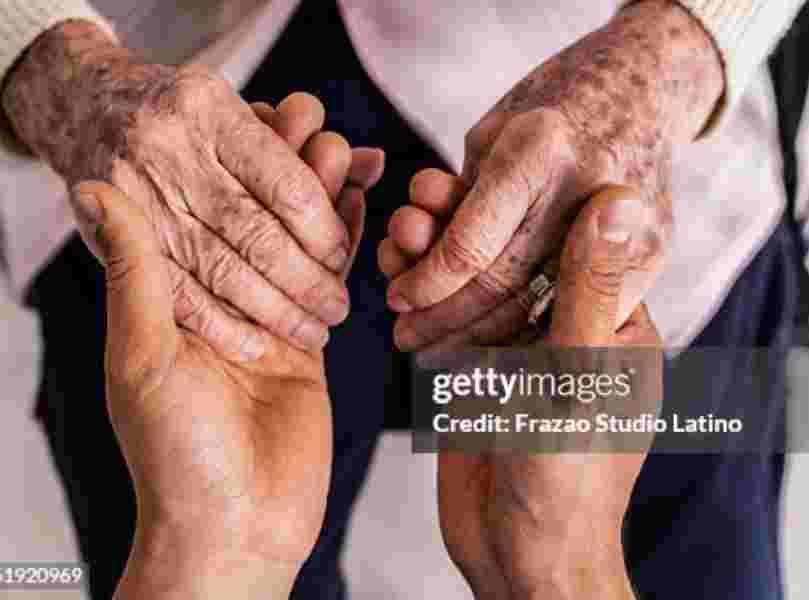
The elderly in our society also deserve special attention. Having spent their productive years raising families and contributing to society, they should not be abandoned when advancing age makes them dependent on others. Families should also provide companionship, medical assistance, financial support where possible and protection against neglect, exploitation and abuse.
Similarly, people living with disabilities, chronic illnesses or other debilitating conditions need accessible healthcare, assistive devices, rehabilitation, emotional support and opportunities to participate fully in society. The poor, widows, orphans, displaced persons and people experiencing homelessness also require practical assistance. Their circumstances should attract compassion and effective social intervention rather than discrimination, ridicule or exploitation.
Although families remain important providers of care, governments cannot escape their obligations by treating caregiving as an exclusively private matter.
Nigeria and other countries need to develop comprehensive social policies that make essential care accessible and affordable. These should include stronger primary healthcare, maternal and child health services, disability-inclusive facilities, affordable childcare, support for older people and social protection for vulnerable households.
Governments should therefore expand access to pensions and establish effective assistance for elderly citizens who have no reliable income. They need to strengthen health insurance, improve public hospitals and ensure that poverty does not prevent citizens from obtaining essential treatment.
Paid maternity leave, appropriate parental leave and family-friendly employment policies would help parents care for their children without losing their livelihoods.
Flexible working arrangements, where practicable, could also support employees who care for dependent relatives.
For Nigeria, these measures are particularly important because poverty, unemployment, inadequate healthcare facilities and the rising cost of living place enormous pressure on families. The federal, state and local governments should allocate adequate resources to care services, monitor their delivery and publish performance indicators. Public funds intended for vulnerable citizens must not be diverted through corruption, political patronage or administrative inefficiency.
Care workers themselves equally deserve care and protection. Nurses, community health workers, teachers, domestic workers and professional caregivers perform essential services, yet many face low wages, insecure employment, excessive workloads and inadequate social protection.
The United Nations has consistently emphasised the need to recognise paid care work as essential. Employers should provide fair remuneration, safe working conditions, reasonable working hours, appropriate training and protection against harassment and discrimination.
Even religious organisations, charities, community associations and non-governmental organisations should strengthen programmes for vulnerable families, provide food and medical assistance where necessary, support caregivers and establish referral systems for people requiring specialised services.
Schools should teach children empathy, respect for older people and responsibility towards people living with disabilities. Media organisations should also promote public awareness, investigate neglect and abuse, and give visibility to people whose caregiving contributions are often ignored. More importantly, those receiving care must also have their rights protected. Care should preserve dignity, independence and personal choice rather than become a means of control or exploitation. The global community need to recognise that care is inseparable from economic development, human rights and social stability.
The United Nations estimates that the number of people requiring care and support could reach 2.3 billion by 2030, reflecting the needs of children, older people and other populations. This growing demand makes investment in sustainable care systems increasingly urgent. Countries should exchange effective policies, strengthen social protection and invest in professional training. International institutions need to support poorer nations in expanding healthcare, disability services, childcare and social welfare.
Care systems also should be resilient during wars, natural disasters, pandemics and humanitarian emergencies, when children, older people, sick persons and people with disabilities often face heightened risks.
The 2026 Voices of Care campaign provides an opportunity to listen directly to caregivers and care recipients. Governments should consult them when designing policies rather than making decisions without understanding their experiences. The observance of this day should focus on practical commitments such as better working conditions for caregivers, stronger family support, accessible public services, protection against abuse, fairer distribution of unpaid care and adequate funding for social welfare.
NIGERIAN NEWSLEADER'S POSITION
The Nigerian NewsLeader newspaper therefore urges both the federal government, state governments, local authorities, employers, religious institutions and families to treat care and support as essential investments in human development.
Nigeria should develop a coordinated national care policy that recognises unpaid caregiving, protects paid care workers and expands affordable services for children, older people, persons with disabilities and vulnerable households.
Government should also encourage men to share domestic responsibilities and strengthen enforcement against domestic violence, neglect and exploitation. For the
employers, there is urgent mandatory need for them to support workers with caregiving responsibilities, while citizens should make deliberate efforts to assist vulnerable neighbours and relatives.
Above all, government should demonstrate compassion through policies, budgets and services rather than political promises. Care is not charity, weakness or a burden to be imposed on women. It is a shared human responsibility and a necessary investment in a just, productive and peaceful society.
As the world marks the International Day of Care and Support, every family, institution and government should ask itself what practical difference they are making in the lives of those who depend on them? The answer is reflected not merely in today's celebrations but in the quality of life people enjoy throughout the year. A world that values care will be a world that better protects its people, rewards compassion and leaves fewer human beings behind. NNL.