• Colors: Cyan Color

By Abhikesh

A woman can always sense when a man is not fully committed. It's the devotion of her connection with him that allows her to feel when something isn't right. Women are naturally intuitive and connected to the emotional depths of relationships. They can tell when their partner’s words don’t match their actions, when their energy feels distant or distracted. This innate ability is a gift, a strength that often goes unnoticed by men. A woman’s love is powerful, but it can also blind her to the truth if she believes too deeply in the potential of her partner.

The Ikoro is a monumental symbol of mass communication among the Igbo people, predating the 9th century AD. This ancient slit drum, especially popular among the Nri Kingdom, served as a tool for summoning the Ohanaeze (the general assembly) for important meetings. Its deep, resonant sound could travel miles, making it an effective medium for disseminating coded messages across vast distances.

  • * Promotes FG's Local Content Policy Initiative

By Celestine Okafor (Editor-in-chief)

Makems Jewellery, an Abuja-based fast-rising jewellery-making company in Nigeria, has set the city agog, as it recently held its annual jewellery exhibition with a wide range of trendy, fine and unique handmade, locally-produced and imported jewellery products on display for hundreds of visitors to the venue of the event.

By A.S.A Harrison

  1. Deceptive Appearances: The book underscores the idea that appearances can be deceiving. On the surface, a marriage may seem stable and content, but beneath the facade, there can be hidden tensions and secrets.

  2. Unaddressed Issues: Ignoring or avoiding underlying issues in a relationship can lead to long-term problems. The characters in the book demonstrate the dangers of not addressing concerns and conflicts head-on.

  3. Consequences of Infidelity: The Silent Wife explores the devastating consequences of infidelity on a marriage. It delves into the emotional toll that cheating takes on both partners and the ripple effects on their lives.

  4. Emotional Detachment: The book illustrates the impact of emotional detachment within a marriage. When partners become emotionally distant, it can create a void that may be filled by external factors, leading to further complications.

  5. Power Dynamics in Relationships: The novel delves into power dynamics within relationships, examining how one partner may exert control or influence over the other. Understanding and addressing imbalances of power is crucial for a healthy partnership.

  6. Self-Reflection: The Silent Wife suggests the importance of self-reflection. Characters grapple with their own flaws and shortcomings, and the narrative encourages readers to reflect on their own behaviors and motivations within their relationships.

  7. Communication Breakdown: A breakdown in communication is a central theme in the book. Misunderstandings, lack of communication, and assumptions contribute to the deterioration of the characters' relationships. Open and honest communication is presented as vital for maintaining a strong connection.

  8. Dependency and Independence: The novel explores the concept of dependency within relationships and the consequences of being overly reliant on a partner. It advocates for the importance of maintaining individual identities and a sense of independence.

  9. Coping Mechanisms: The characters in the book employ various coping mechanisms to deal with their emotions and the challenges in their relationships. The story prompts readers to consider healthy ways of coping with stress and adversity.

  10. Choices and Accountability: The Silent Wife underscores the idea that individuals are accountable for their choices and actions. The consequences of decisions, whether intentional or not, play a significant role in shaping the course of a relationship.

While these lessons are drawn from the themes explored in The Silent Wife, it's important to approach them as fictional insights rather than prescriptive advice for real-life relationships. Each relationship is unique, and individuals may find different lessons resonating with their own experiences.NNL.

By Susan E. Schwartz

  1. Beyond Physical Absence: The book argues that an emotionally unavailable father can be just as damaging as a physically absent one. Critical, distant, or emotionally neglectful fathers can leave a lasting impact on their daughters' development.

  2. The "Father Desire" and Identity Formation: Schwartz explores the concept of the "father desire," a daughter's innate longing for a loving, supportive father figure. This desire plays a crucial role in shaping her sense of self-worth and identity. When this desire is unfulfilled, it can lead to feelings of insecurity, loneliness, and a fragmented sense of self.

  3. The Archetypal Wound: Drawing on Jungian psychology, the book explores the archetypal father figure. A healthy father embodies masculine archetypes like strength, guidance, and protection. The absence of these qualities can create an "archetypal wound" that affects a daughter's relationships with men and authority figures throughout her life.

  4. The Splintered Voice: Schwartz suggests that the "father wound" can manifest as a "silenced voice" within daughters. They may struggle to express themselves authentically or feel unworthy of being heard. The book explores methods for daughters to reclaim their voices and find their authentic expression.

  5. Healing the Wound: "The Absent Father Effect on Daughters" is not a book about blaming fathers. Instead, it offers a path to healing for daughters affected by father absence. The book explores therapeutic methods like journaling, dream analysis, and inner child work to help daughters understand the impact of their upbringing and begin the healing process.

  6. The Importance of Self-Compassion: A core message of the book is self-compassion. Schwartz encourages daughters to understand that their father's absence was not their fault and to treat themselves with kindness and understanding.

  7. Reclaiming Your Power: The book empowers daughters to reclaim their personal power. By understanding the "father wound" and working through its effects, daughters can develop healthy relationships, strong self-esteem, and a greater sense of self-worth. NNL.

By Robert T. Kiyosaki

  1. The importance of financial education: Kiyosaki emphasizes the need to educate oneself about money and financial matters. He argues that schools often fail to teach us about money management and that financial literacy is crucial for building wealth.

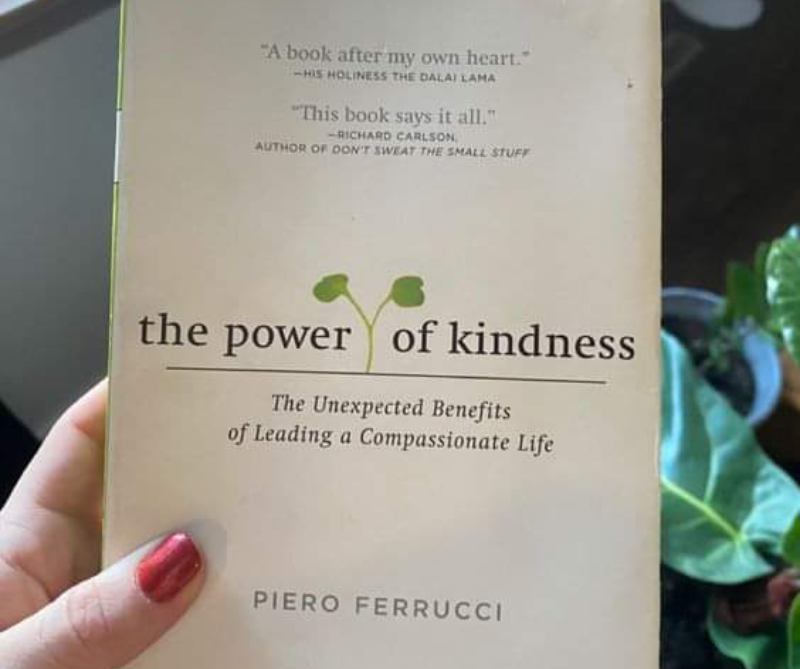
By Piero Ferrucci

  1. The Deliberate Choice of Kindness: Ferrucci argues that true kindness requires intentionality. It's not just automatic politeness or hollow gestures, but a conscious decision to act with compassion and understanding. This often involves actively seeking out opportunities to be kind, even when it's inconvenient or requires sacrifice.

  2. Kindness creates a ripple effect: The book showcases real-life stories where tiny acts of kindness, like a smile or a helping hand, sparked a chain reaction of positive change. This emphasizes the butterfly effect of kindness, highlighting how our individual choices can have unforeseen far-reaching consequences, and reveals the psychology of social influence, how merely witnessing kindness encourages others to follow suit.

  3. More Than Just Giving: Ferrucci delves deeper into the various expressions of kindness beyond material generosity. He explores how forgiveness, honesty, gratitude, and service all weave into the tapestry of kindness, each contributing to building stronger, more meaningful connections.

  4. The Science of Kindness: The book cites research studies demonstrating the tangible benefits of kindness for both the giver and the receiver. Kindness not only boosts happiness and well-being but also improves physical health and strengthens social bonds, creating a mutually reinforcing cycle of positivity.

  5. Setting Healthy Boundaries: Ferrucci advocates for establishing clear boundaries to prevent burnout and manipulation. Kindness doesn't require self-sacrifice. In fact, true kindness must start from within, yourself. He emphasizes that kindness thrives alongside self-respect and self-care, ensuring a sustainable approach to fostering compassion without self-harm.

  6. The Healing Power of Forgiveness Towards Ourselves and Others: The book discusses different types of forgiveness and their role in promoting healing. It highlights how forgiving others and ourselves frees us from negativity and allows us to move forward with open hearts, fostering both personal and interpersonal well-being.

  7. Connecting with Kindness Through Service: The book highlights how forms of service like volunteering connect us with our community, foster a sense of belonging, and allow us to put kindness into action, creating a tangible impact on others' lives.

  8. The Authenticity of Kindness: Ferrucci emphasizes the importance of self-awareness and understanding your values to guide your acts of kindness. He encourages readers to avoid mimicking others' actions without genuine care and intention behind them, ensuring true meaning and connection in their kindness.

  9. Starting Simple and Building Momentum: The book suggests specific, achievable acts of kindness suitable for beginners, like holding the door open or offering a sincere compliment. It emphasizes celebrating small victories and tracking progress to stay motivated and gradually build a habit of kindness. NNL.

SEAROUTE POWER Advert: NO POWER No Problem WE ARE The solution to all YOUR power issues Click/TAP TO CONTACT NOW!!!
No NEPA, No Problem SEAROUTE POWER GOT YOU COVERED - click to contact on WhatsApp