
By Stephanie Ebri (Education Correspondent)
Nigeria has achieved enormous expansion in education. At independence, the country had only a small number of secondary schools and two major tertiary institutions. President Bola Ahmed Tinubu's 2025 Independence address cited more than 23,000 secondary schools and hundreds of universities, polytechnics and colleges of education by 2024.
The expansion was driven by programmes including: Universal Primary Education (UPE 1976); Universal Basic Education (UBE 1999/2004) ; National Teachers Institute (NTI); the Mass Literacy Programmes;
expansion of Federal and State Universities;
Private Universities, and the current Student's Loan System known as NELFUND.
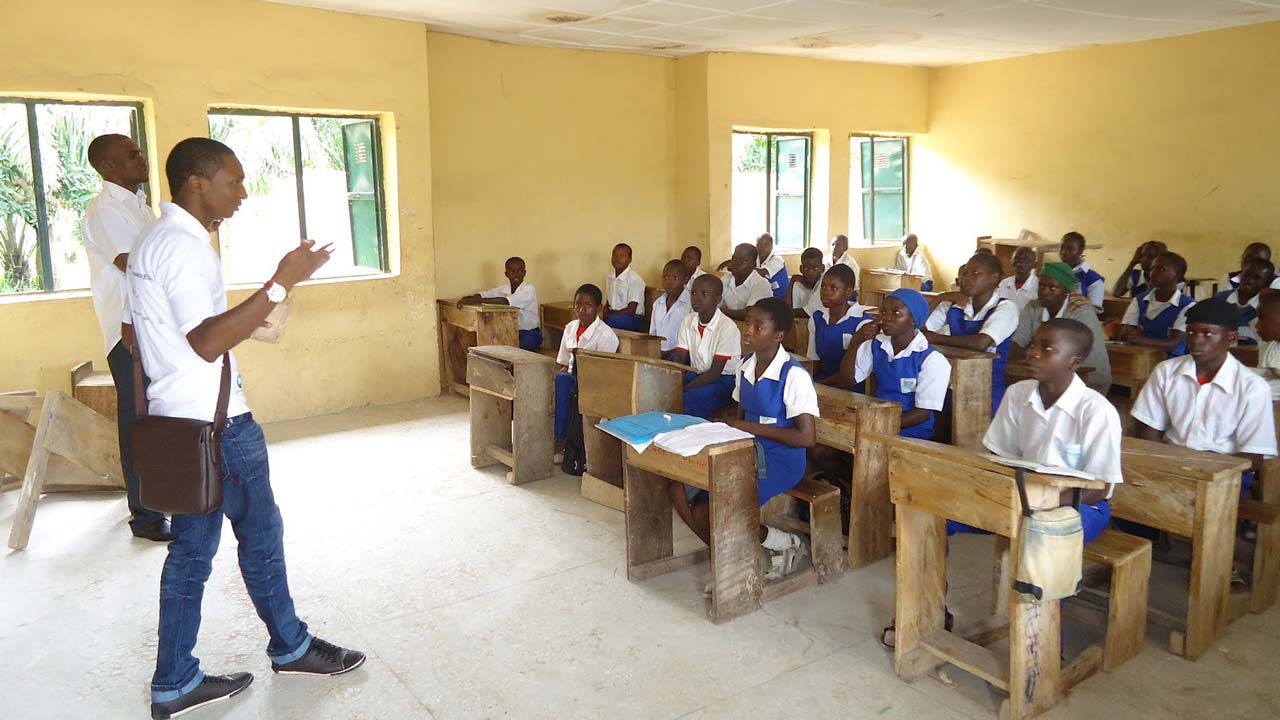
UNESCO records the major expansion of access generated by UPE, UBE and other programmes. But access has not automatically produced quality.The current problem is severe. The World Bank recorded about 9.07 million primary-school-age children out of school in 2023.
Its 2026 human-capital assessment also found that Nigerian student learning outcomes have remained stagnant, with test scores in 2025 one point below the 2010 level. It estimates that Nigeria's human
capital deficits are imposing enormous long-term losses on future labour earnings. The educational emergency therefore has two sides: millions who cannot get into school and millions who attend school without acquiring sufficient skills.
Nigeria needs an education revolution centred on early childhood development; foundational literacy and numeracy; teacher quality; school feeding where appropriate; digital learning; vocational education; apprenticeships; university research; technical colleges; science and engineering; and strong links between education and employment. A university degree should not be the only definition of education. NNL.